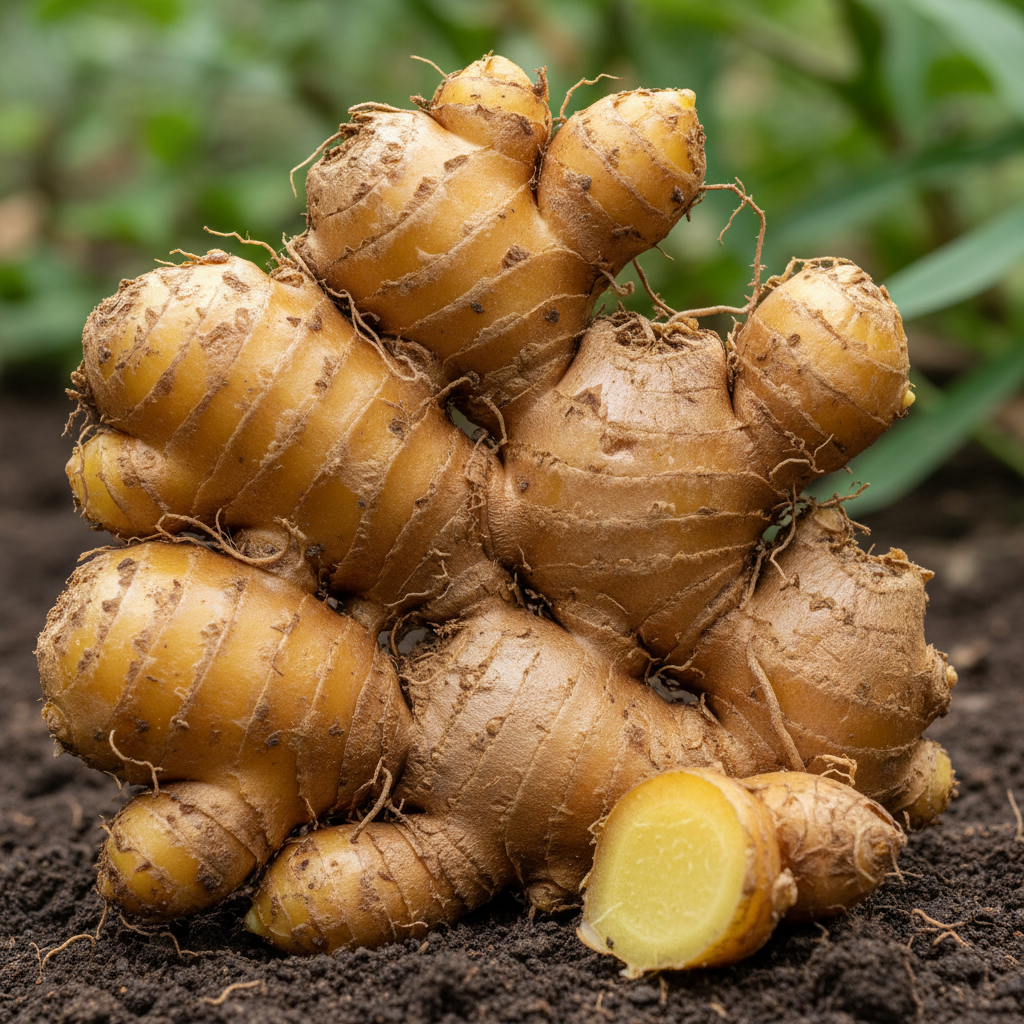
Why we wait eight months when six is enough.
The extra two months aren't about yield. They're about concentration — the point at which the volatile oils stop building and start deepening. A quiet transformation.
February 2026
Read
Twenty acres. Volcanic soil. Six months of patience. The rhizome that reaches your kitchen snapped clean from the ground that morning — peppery, alive, nothing like what you've had before.
volcanic soil
to harvest
hand-harvested
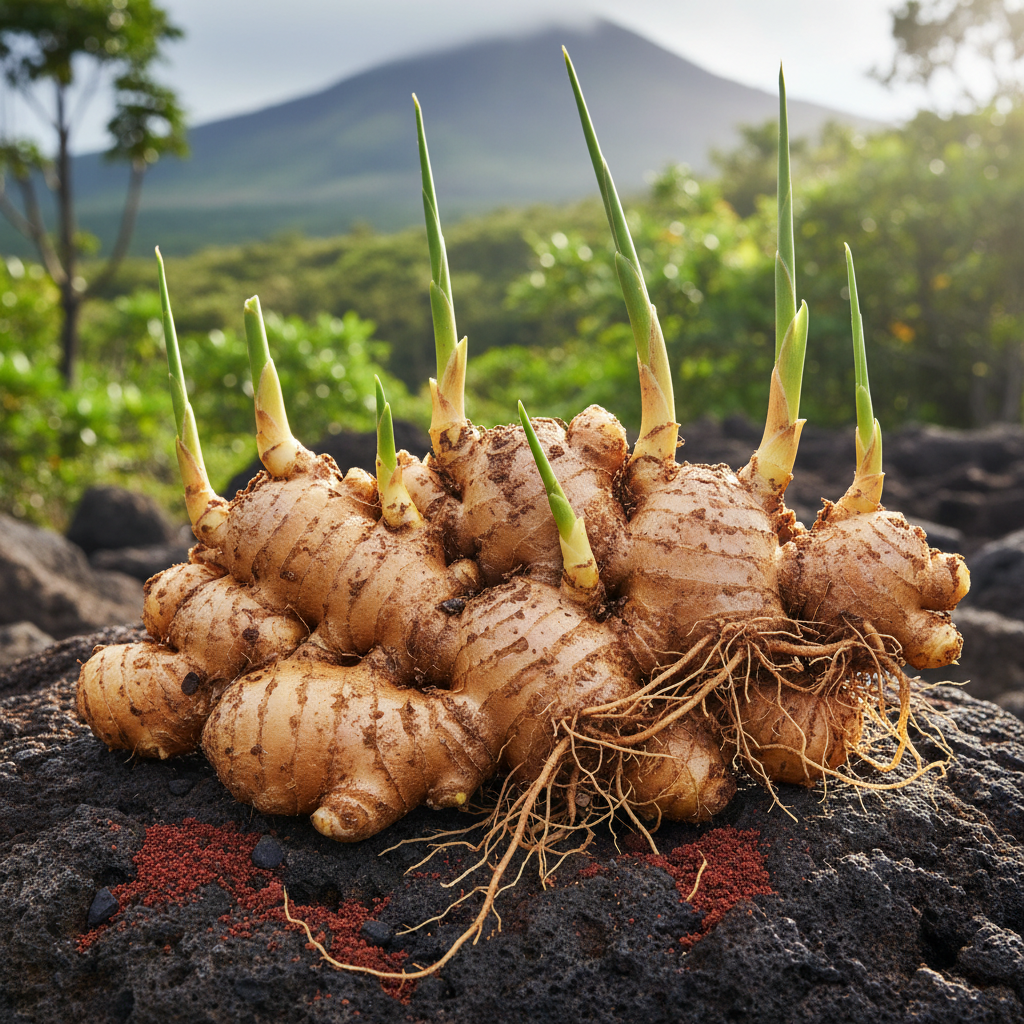
"Stems yellowed. Snap clean. Peppery bite."
Harvest log · Feb 2026
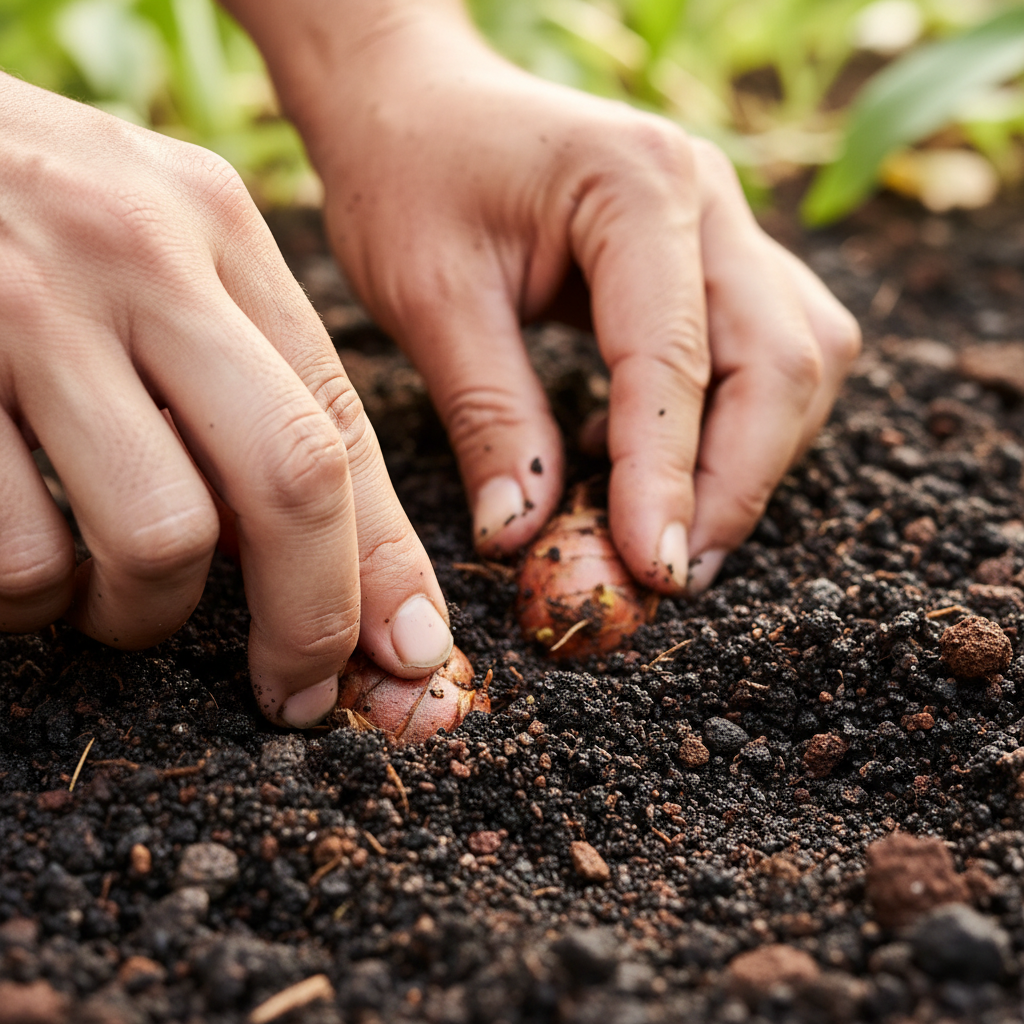
Each planting begins with a piece of last year's harvest — a knobbed, papery rhizome no larger than a thumb. We press them into beds of volcanic loam, amended with rice straw compost, eight inches deep where moisture holds and the soil breathes slow. Spring rain does the rest.
Planting window: late February through mid-March
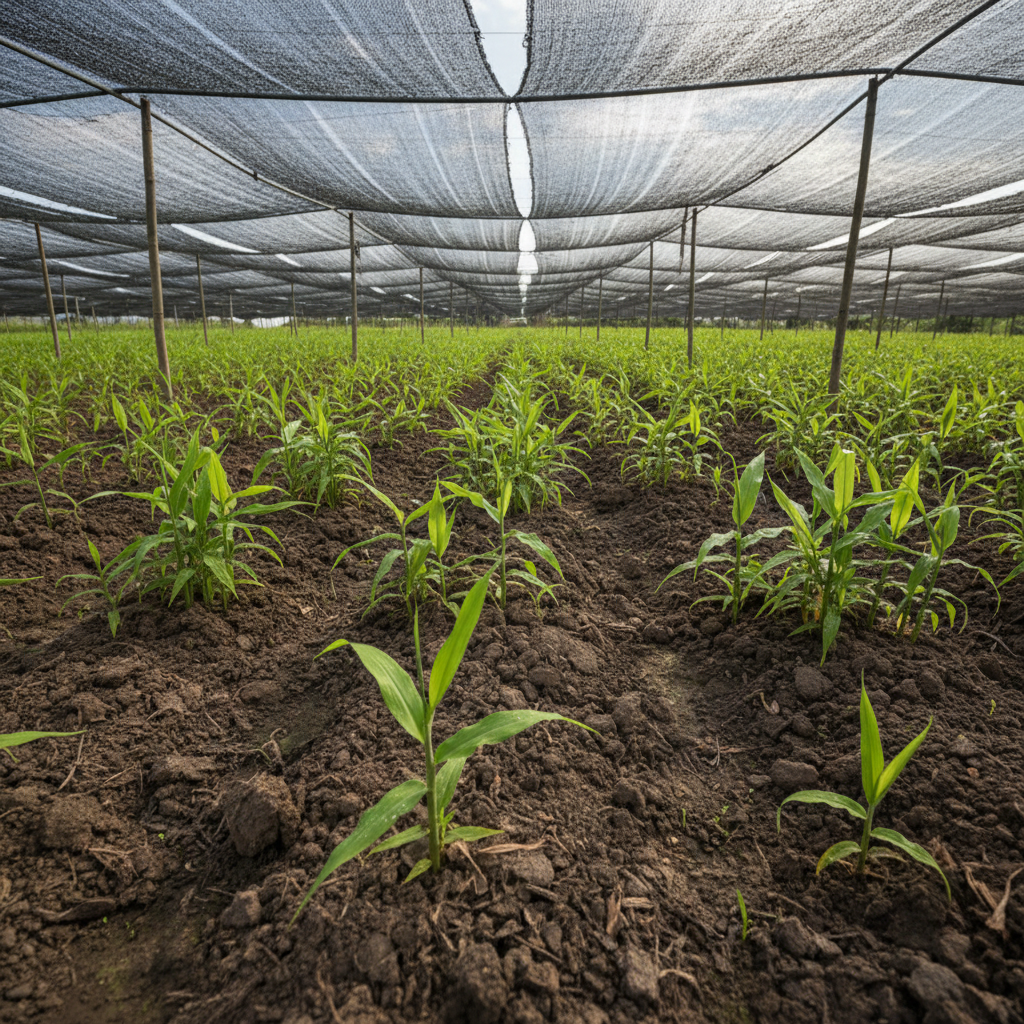
Ginger is a forest-floor plant — it wants filtered light, not full sun. Once shoots push two inches above the soil line, we unroll lengths of 50% shade cloth across the beds. Beneath it, the air stays humid, the soil cool. The plants slow down. Slowness is the point.
50% shade · 70–80% humidity maintained
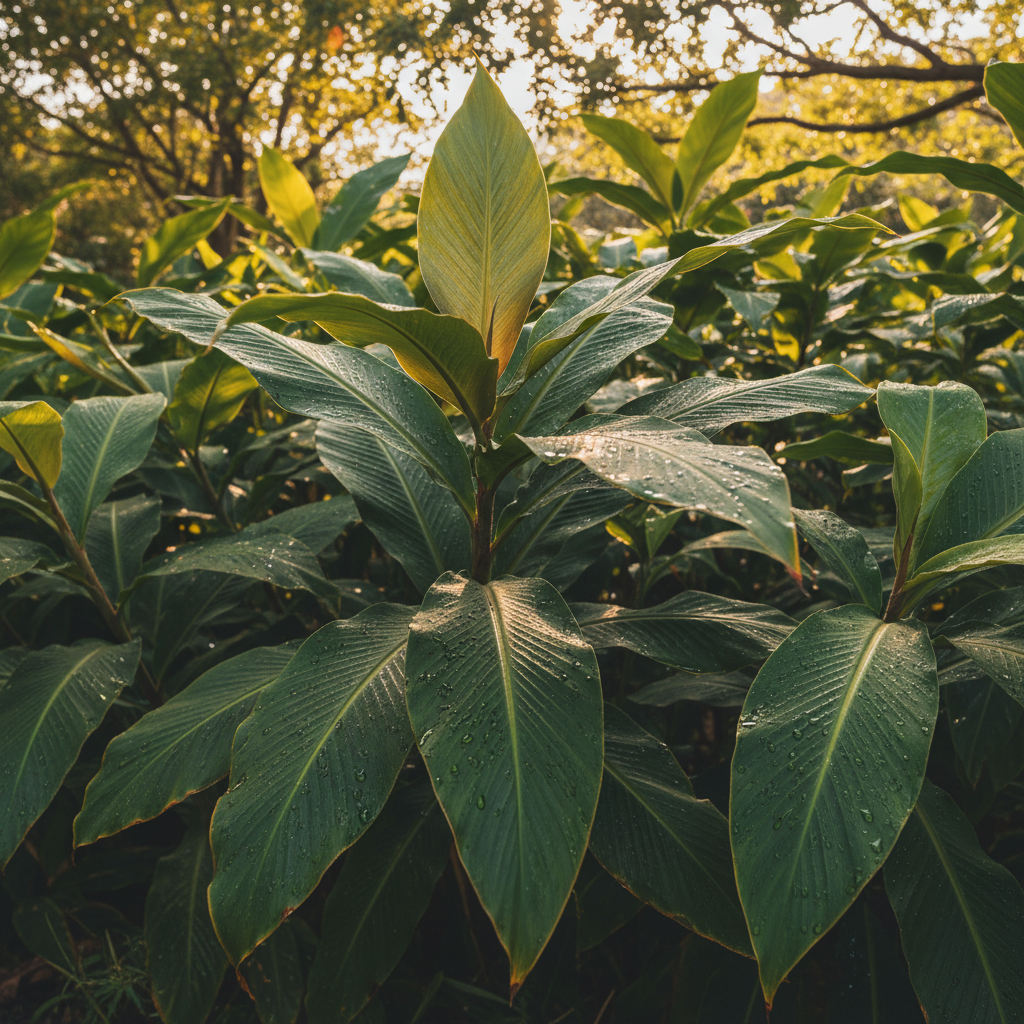
There is nothing to do but tend. Weed the edges. Check the soil moisture. Walk the rows at dusk and watch the leaves widen. Ginger cannot be rushed. The rhizome is building itself underground — branching, thickening, concentrating the volatile oils that make it sharp and alive. Six months is the minimum. We wait eight.
8 months average growth before first harvest
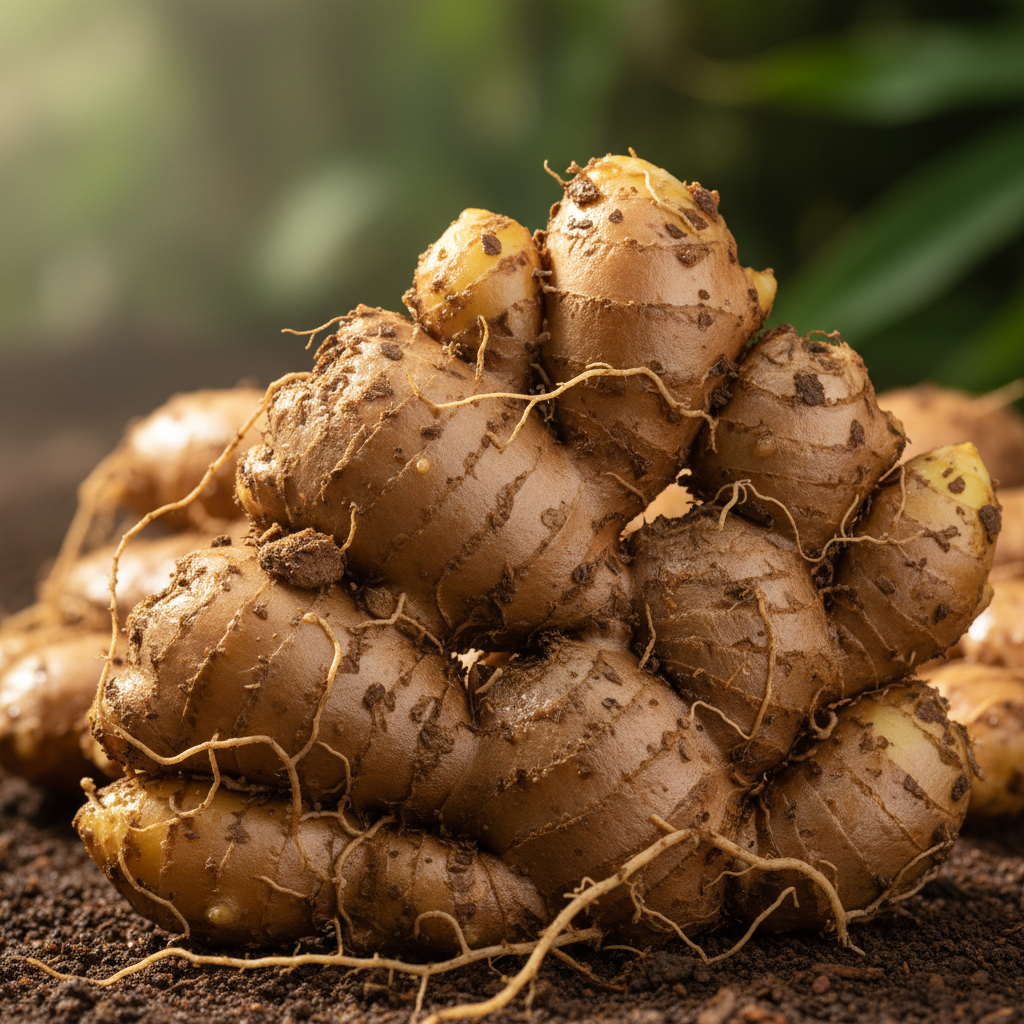
When the stems begin to yellow and fall, the rhizome is ready. We harvest by hand — a garden fork loosening the soil, fingers closing around the root cluster, a clean pull. The snap is audible. The smell hits immediately: sharp, green, peppery, nothing like dried powder. We work in the cool of early morning before the sun reaches the beds.
Harvested before 9 a.m. · same-day wash
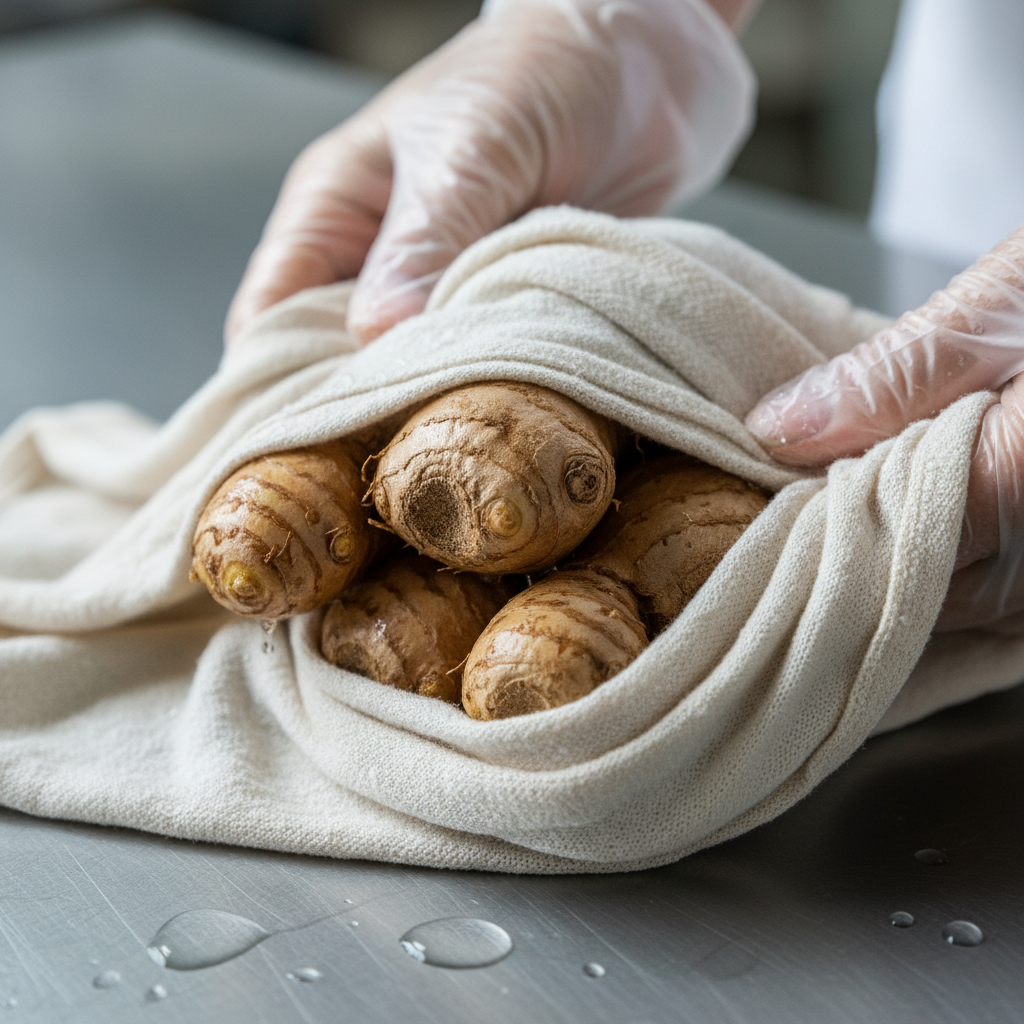
Harvested rhizomes are brushed clean under cold water, never scrubbed — the thin skin holds flavor. Then a two-week cure in a warm, ventilated room to tighten the skin and concentrate the sugars. Orders are wrapped in damp cotton cloth, nested in kraft paper, shipped within 24 hours of packing. By the time it reaches you, it was in the ground three days ago.
Ships within 24 hrs of packing · damp-cloth wrapped
The ginger we grow isn't for everyone — it's for the people who'll notice it. Craft fermenters, Japanese kitchen chefs, herbalists, and cooks who've compared.
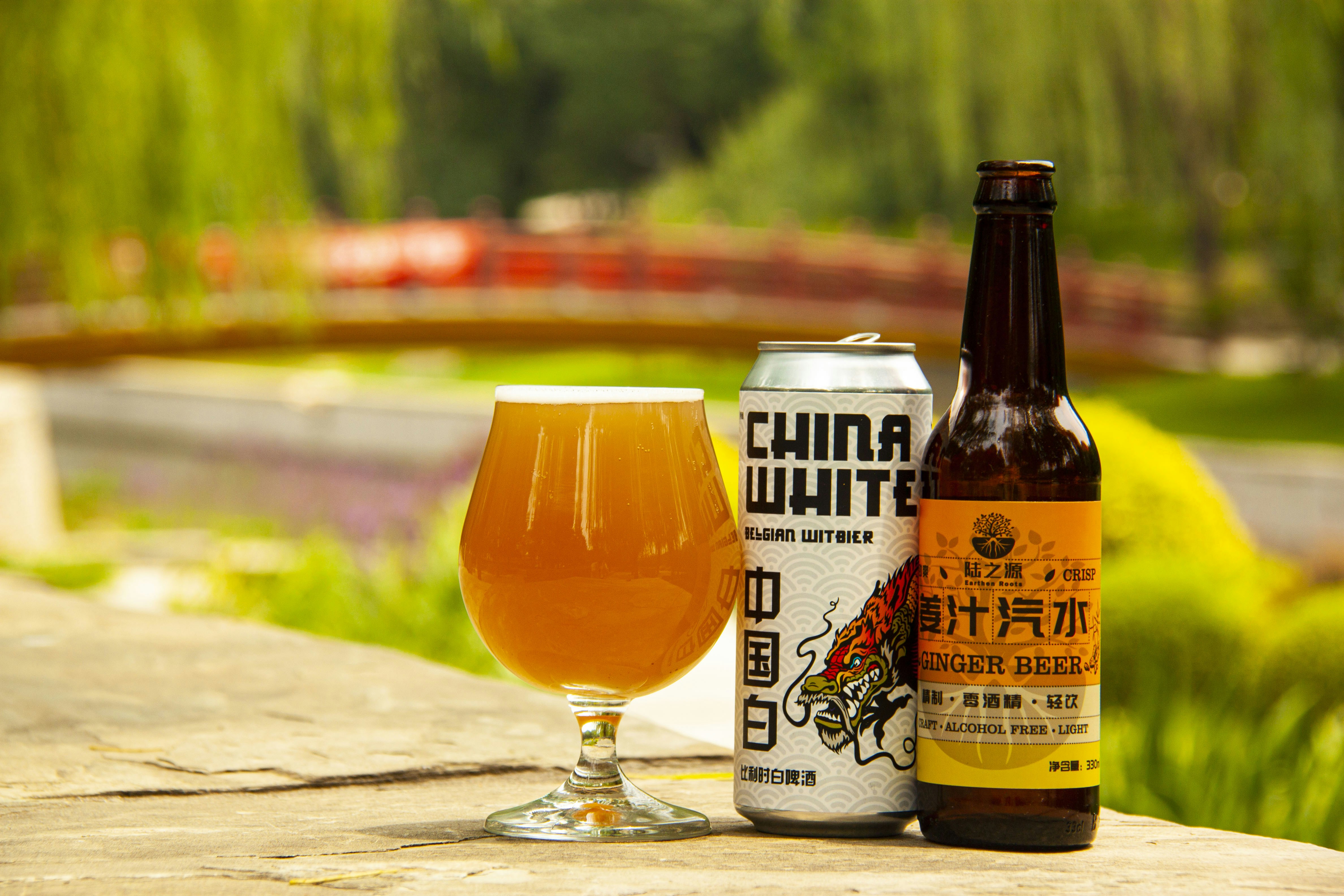
High oleoresin content means more volatile punch per gram. Fresh-grated into a 5-gallon batch, one pound replaces three of dried. Your label can say "fresh volcanic ginger" and mean it.
High oleoresin · no sulfur treatment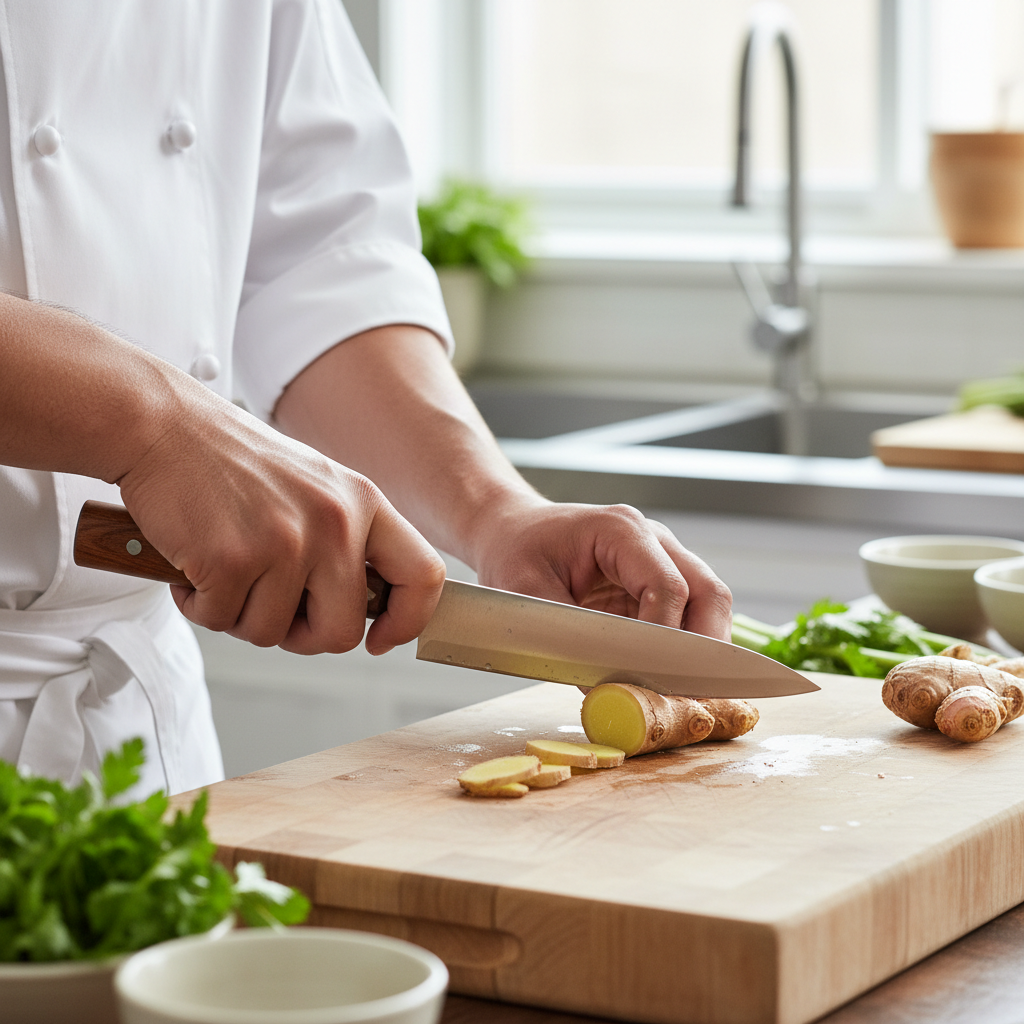
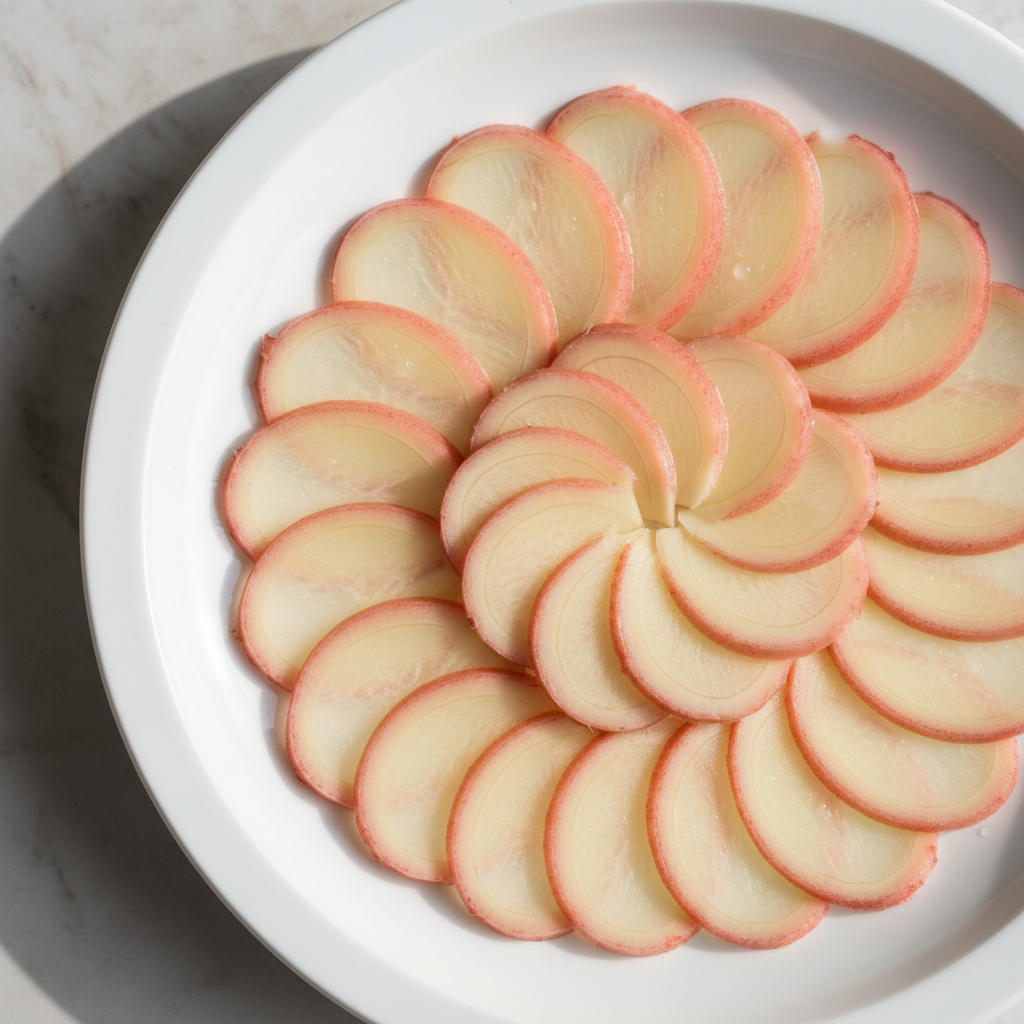
Young rhizomes, harvested before the skin toughens, slice without fibering. The blush is natural. Your prep cook doesn't need to peel twice.
Young & mature cuts available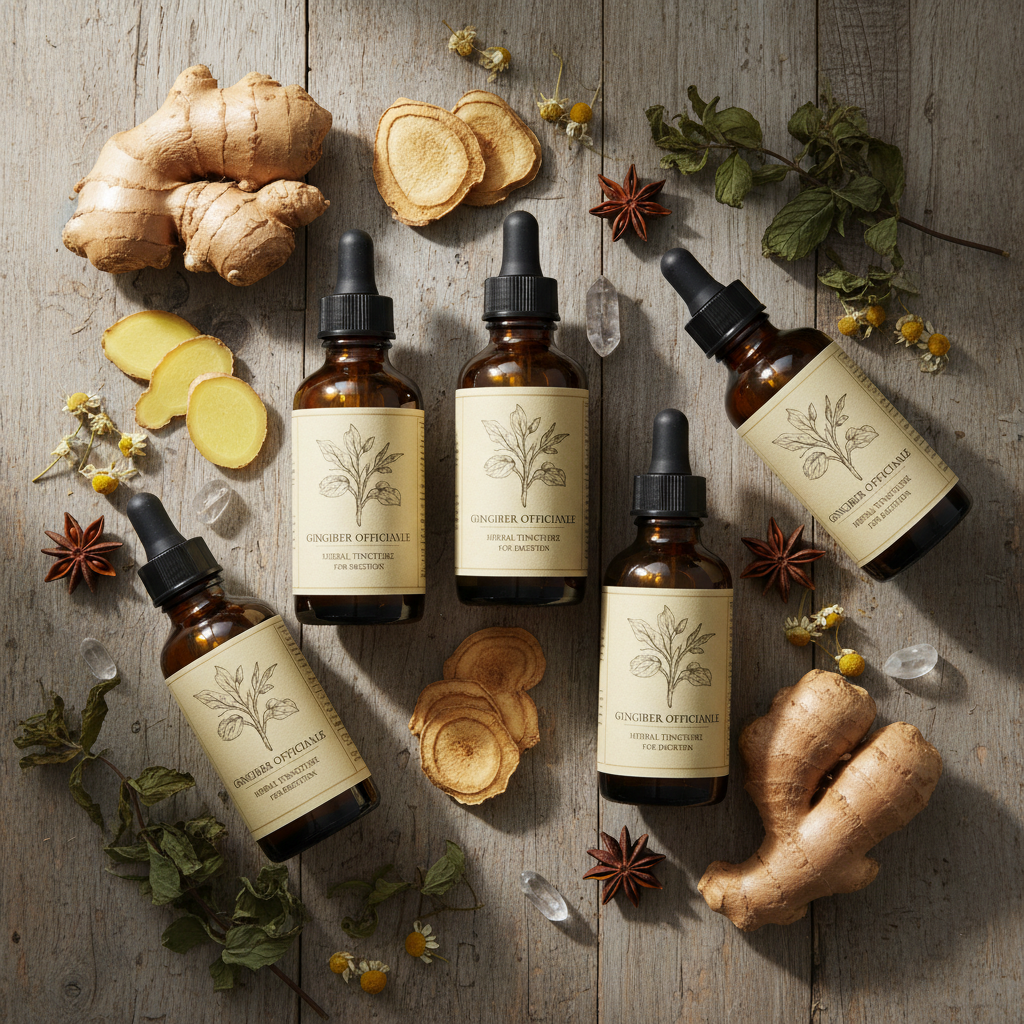
From ground to tincture in under a week. We don't use post-harvest sprout inhibitors. What you receive is what the soil made.
No sprout inhibitors · no irradiation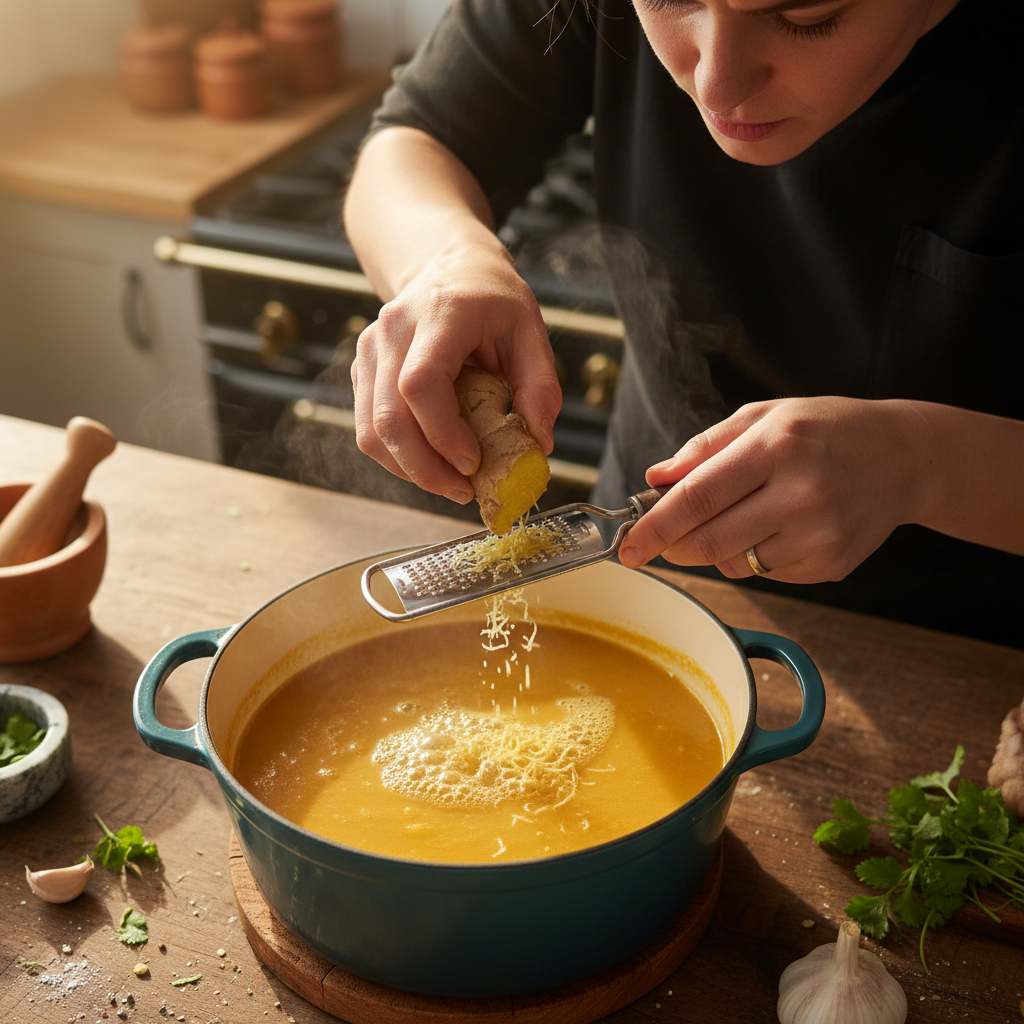
Once you've made congee with ginger that snapped clean from the earth that morning, you won't go back to the plastic-wrapped knobs at the supermarket. Subscribe seasonally. We'll handle the rest.
Seasonal subscriptions availableA seasonal PDF guide to cooking with, storing, and understanding fresh volcanic ginger. Illustrated recipes, storage charts, and growing notes from the farm. Free. No strings except one field.
For fermenters
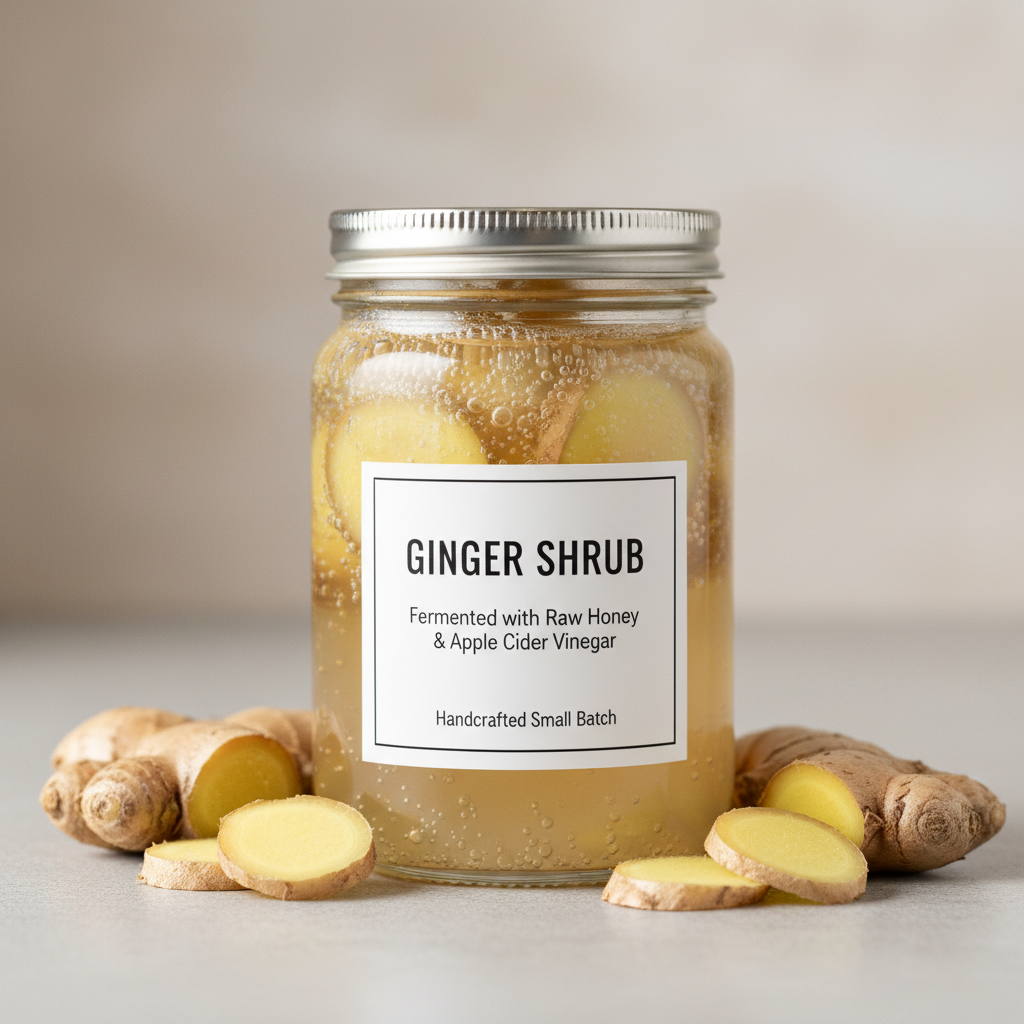
A drinking vinegar base: fresh-grated rhizome, raw cane sugar, raw apple cider vinegar. Two weeks in a jar. Dilute 1:4 with sparkling water or use as a cocktail modifier.
For chefs
Young rhizome, skin on, sliced paper-thin on a mandoline. Salt for 10 minutes. Rinse, dress with rice vinegar and a pinch of sugar. The blush comes naturally.
For herbalists
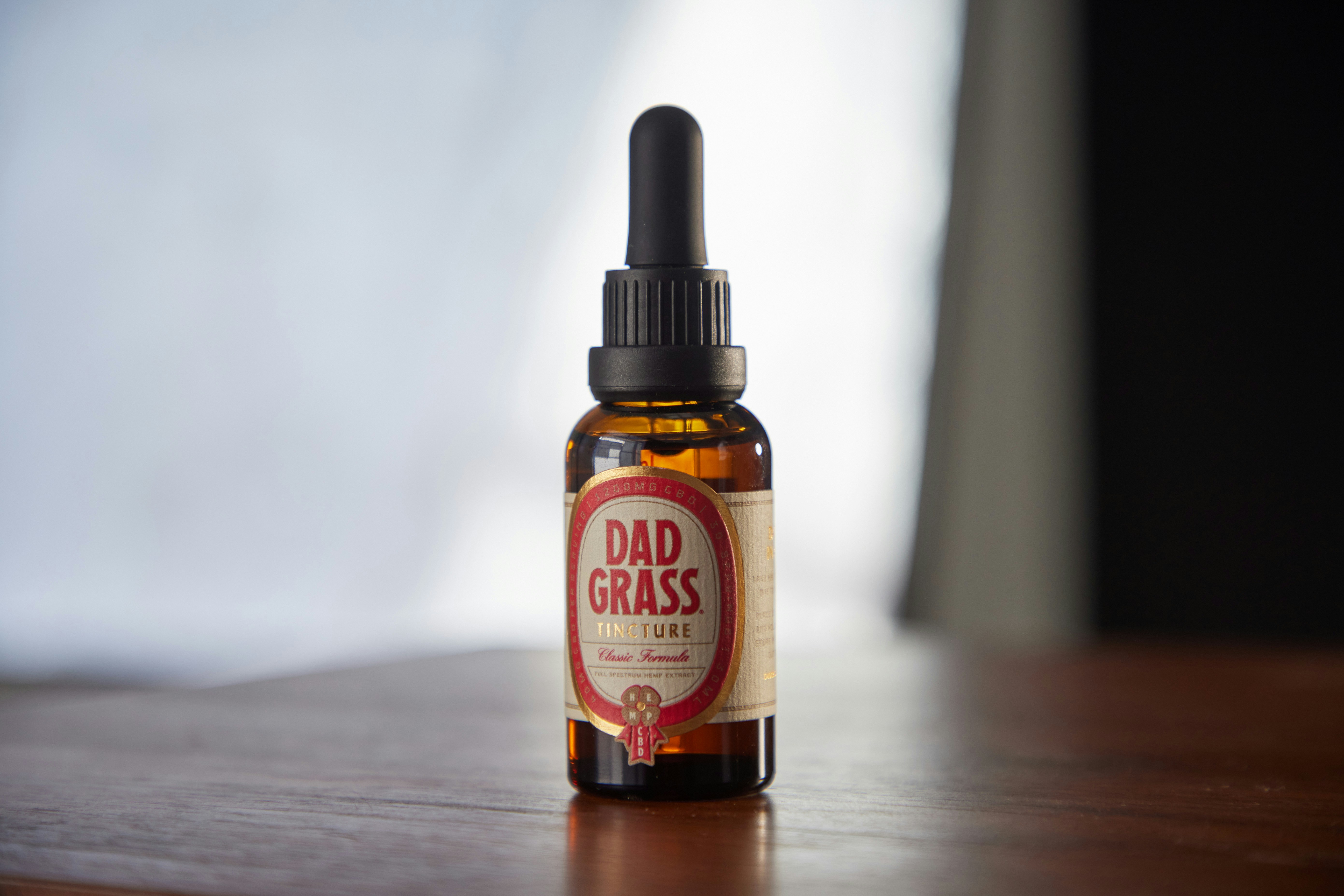
Macerate 100g fresh rhizome in 500ml 80-proof vodka for 6 weeks in a dark cupboard. Strain through cheesecloth. Dose: 2ml in warm water, morning and evening.
Seasonal PDF · Free
The extra two months aren't about yield. They're about concentration — the point at which the volatile oils stop building and start deepening. A quiet transformation.
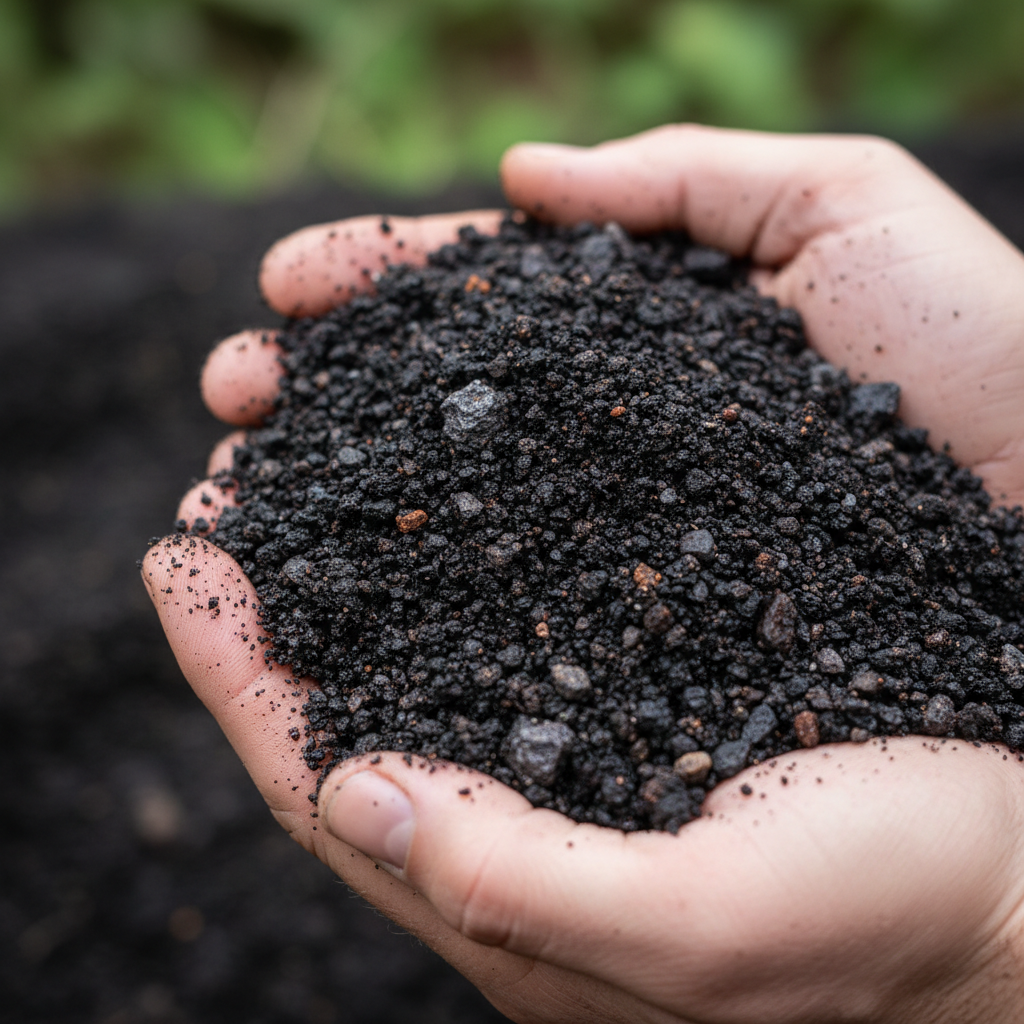
The mineral profile of basaltic soil — high in potassium, magnesium, and trace silica — creates a biochemical environment where gingerol synthesis runs hotter. Here's what we've observed.
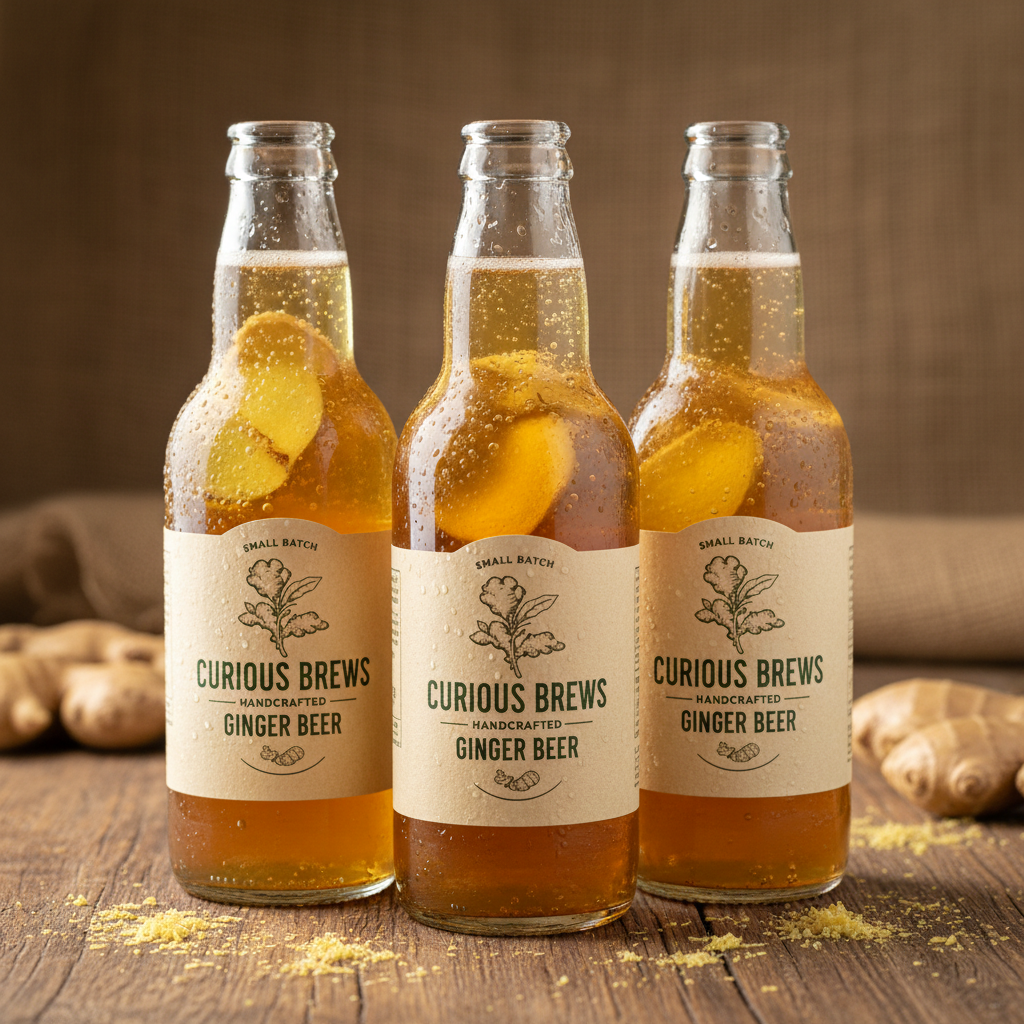
The standard conversion (1:3 fresh to dried) undersells what fresh volcanic ginger can do. After testing with six small-batch brewers, here's what we actually recommend.